

Get a FREE digital
copy of Renovate Handbook!
Just sign up to our newsletter and we'll send it your way.
Get Renovate HandbookCreating Fire-Resistant Gardens in Australia
Want a garden that looks beautiful while helping protect your home from bushfires? Learn how smart landscaping choices - from low-flammability plants to fire-safe layouts - can create a stunning and safer outdoor space.
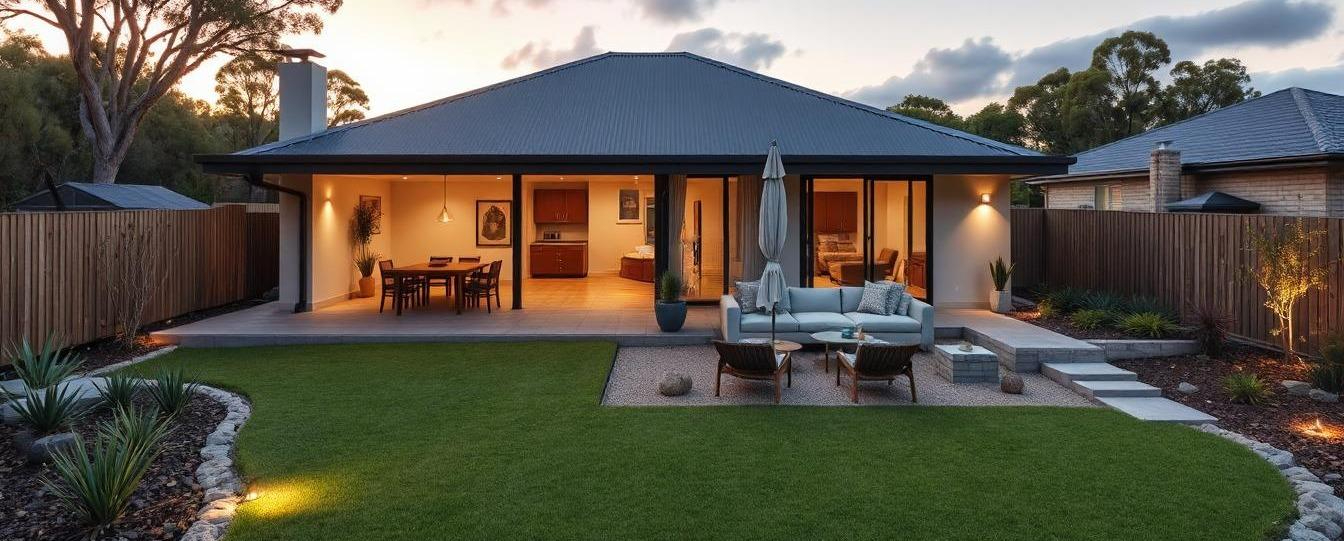
Do you want a garden that looks beautiful all year? Do you also want it to help keep your home safer during bushfire season?
Australia’s hot summers and dry conditions mean bushfires are a real risk for many homeowners. While no garden can ever be completely fireproof, wise landscaping choices can make a big difference.
By carefully selecting plants, planning garden layouts, and using fire-resistant design features, you can create a garden that reduces fire risks while still looking stunning.
In this article, we’ll explore practical tips for building a fire-resistant garden that protects your home and provides peace of mind.
How to Design a Fire-Resistant Garden in Australia?
The plants you choose, the way you arrange them, and how you look after your garden can all make a big difference. Here are detailed tips to help you create a fire-resistant garden that looks beautiful and enhances the safety of your home.
- Create safe zones around your home
One of the most effective things you can do is leave open space between your house and any plants. This area, sometimes called a “buffer zone,” acts like a barrier. You can use lawns, gravel paths, or paved patios.
These don’t burn easily and can stop flames or embers from reaching your walls. For example, a stone path around the house can slow down a fire much more than having dry shrubs growing right next to the building.
- Choose plants that don’t burn easily
Not all plants catch fire the same way. Plants with thick, fleshy leaves that hold water are less likely to ignite. Groundcovers and some native plants are good choices because they stay green even in dry weather.
On the other hand, plants with dry, needle-like leaves or high oil content, like some types of eucalyptus or conifers, burn very quickly. Keep these away from the house or use them only in areas far from your main living space.
- Space plants carefully
How you arrange plants matters as much as which plants you pick. If shrubs, trees, and garden beds are all close together, fire can move through them quickly. Try to leave gaps so flames can’t jump easily from one plant to another.
Also, avoid planting shrubs directly under trees. It creates what experts call “ladder fuels,” where fire climbs from the ground into the treetops, making it much harder to control.
- Use fire-safe materials
Think about the surfaces in your garden. Materials like stone, concrete, metal, and gravel don’t burn, so they’re great to use near your home. Retaining walls made of brick or stone, gravel driveways, or paved paths act like firebreaks.
Avoid using wooden sleepers, bark chips, or dry mulch near your house, as embers can easily ignite them. Instead, choose non-flammable ground covers such as pebbles or crushed stone.
- Reduce “ladder fuels”
Ladder fuels are plants arranged in a way that lets fire climb from the ground up into the canopy. For example, dry grass leads into shrubs, which connect to tree branches. Once fire reaches the treetops, it spreads very quickly.
To reduce this, mow grass regularly, prune shrubs so they’re not touching tree trunks, and trim low branches from trees. Keeping these layers separate makes it harder for fire to travel upwards.
- Keep plants healthy and watered
A healthy, green plant is far less likely to burn than a dry, weak one. Regular watering, especially in summer, keeps plants moist. Mulching with non-flammable materials helps soil hold water.
Pruning encourages strong growth, and removing dead branches or leaves stops fuel from building up. For example, a hedge that’s watered, trimmed, and fertilised regularly will provide privacy without turning into a fire hazard.
- Plant at the right time
The best time to plant new hedges, shrubs, or trees is during the cooler, wetter months, such as spring or autumn. It gives the plants time to establish strong roots before the heat of summer.
Plants that are well-rooted and healthy can resist fire better than those struggling in poor conditions. If you plant in late summer, your plants may not survive the first fire season.
Build a Fire-Resistant Garden with Zones AU
At Zones Landscaping AU, we understand how important it is to keep your home and family safe during bushfire season.
Our team can design and build fire-resistant gardens using innovative layouts, low-flammability plants, and non-combustible materials that not only protect but also look stunning.
Regular maintenance support is also available, ensuring your garden stays healthy and fire-smart year after year.
Get in touch with Zones AU today and let us help you create a garden that’s both beautiful and safer during bushfire season.
Read Next

.jpg)
All Zones Landscaping franchises are independently owned and operated.
Processing...

Reno now,
pay later.
Talk to us about finance options

Are you ready to discuss your ideas?
Please fill out your details in the online form provided and we’ll get back to you within 48 hours to arrange a free, no obligation consultation.