

Get a FREE digital
copy of Renovate Handbook!
Just sign up to our newsletter and we'll send it your way.
Get Renovate HandbookHow to Manage Pests and Diseases in Australian Gardens
Healthy plants make every garden shine, but pests and diseases can spread quickly in Australia’s warm climate. Zones Landscaping AU shares seven smart ways to protect your garden, including regular checks, natural remedies, pest-resistant plants, healthy soil, physical barriers, and careful chemical use to ensure your garden stays strong, vibrant, and low-maintenance.
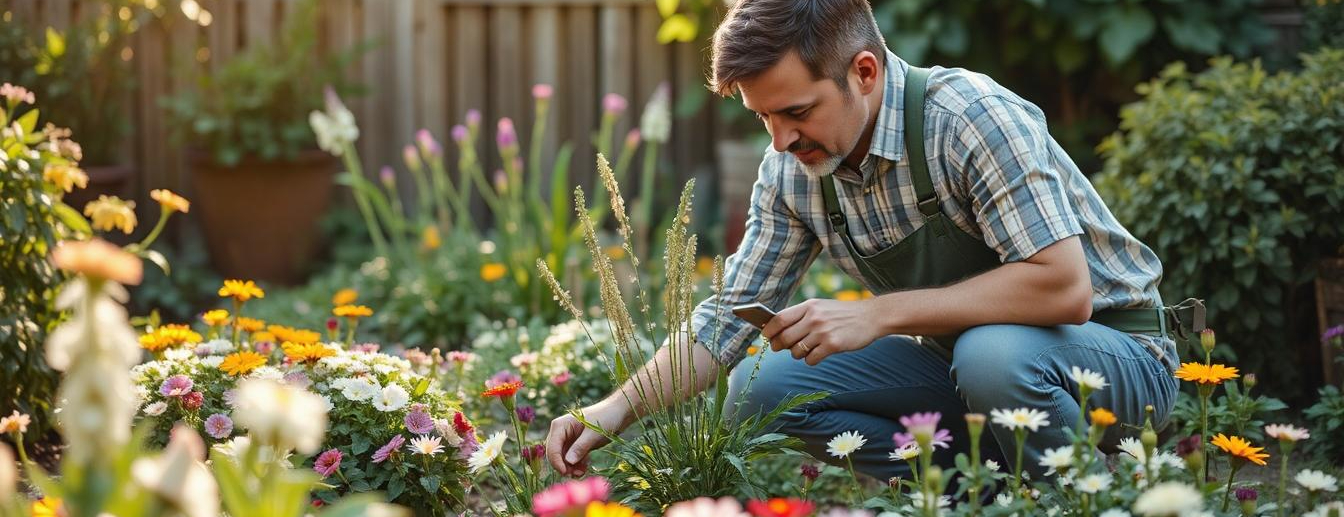
Healthy plants make your garden look fresh and full of life. But in Australia’s warm climate, pests and plant diseases can spread quickly and damage your garden if they’re not managed early. From insects like aphids and caterpillars to fungal issues caused by humidity, every garden needs regular care to stay healthy.
In this blog, we’ll look at simple and effective ways to prevent and control pests and diseases so your plants grow strong all year round.
7 Smart Ways to Manage Pests and Diseases in Australian Gardens
Here are the seven ways to manage pests and diseases that can help you grow plants with ease:
- Check Your Plants Regularly
Keep a habit of walking around your garden and looking closely at every plant. Turn the leaves over to check the undersides, as many insects, such as aphids and mites, hide there. Look for warning signs like yellow leaves, tiny bite marks, sticky sap, brown patches, or insects crawling on stems. The earlier you spot a problem, the easier it is to fix, before pests spread to your whole garden. Regular checking helps you understand what’s normal for your plants, so you can quickly notice when something changes.
- Improve Airflow and Sunlight
Plants need air just like people. When branches grow too close together or plants are crowded, moisture gets trapped between leaves. It creates a perfect place for diseases like powdery mildew or rust to grow. Trim extra leaves, remove dead branches, and leave space when planting new shrubs. If an area is too shady, move pots to a sunnier spot or choose shade-loving plants like ferns. Better airflow keeps plants dry, strong, and less likely to get sick.
- Use Natural Remedies First
You don’t always need strong chemicals right away. Many garden pests can be controlled safely with simple natural methods.
- Soapy water spray helps remove soft-bodied insects like aphids and mealybugs.
- Neem oil works slowly but effectively against mites, fungal problems, and whiteflies.
- Eggshells, coffee grounds, or copper strips help stop slugs and snails from eating tender plants.
These solutions are gentle on soil, safe for helpful insects like bees and ladybugs, and kinder to pets and kids playing in the garden. They protect plants without polluting your garden.
- Choose Pest-Resistant Plants
Some plants naturally fight off pests, just like some people rarely get sick. When choosing plants, look for varieties suited to Australia’s climate. Native plants like kangaroo paw, grevillea, bottlebrush, and lilly pilly are adapted to local soil and weather, so they grow well without much protection. They attract native birds and bees, too, which help control pests naturally. By starting with tough plants, you spend less time treating diseases and more time enjoying a healthy garden.
- Keep Soil Healthy and Balanced
Healthy soil means healthier plants. When soil has enough nutrients and drains well, roots grow strong, making plants less likely to catch diseases. Add compost, mulch, and organic matter to feed the soil. Mulch keeps moisture in, prevents weeds, and helps prevent the soil from getting too hot in summer. If the soil becomes soggy, add sand or bark to improve drainage and prevent root rot. Think of soil as the foundation of your garden. If it’s strong, everything else thrives.
- Use Physical Barriers to Block Pests
Sometimes you can stop pests simply by keeping them out.
- Use netting over fruit trees or veggie beds to keep birds and insects out.
- Install small fences or raised beds to keep rabbits, possums, or pets away.
- Use garden cloches (small covers) to protect young seedlings from insects.
- Place plant collars around stems to stop cutworms from chewing through new plants.
- Use Chemicals Only When Necessary
If the infestation becomes too large, chemical sprays may help, but use them carefully. Choose low-tox or eco-safe products that won’t harm bees or pets. Always spray in the early morning or evening when pollinators aren’t active. Read the label and use only the amount needed. Using more won’t speed up results. Think of chemical treatments as a final step, not a first reaction.
Keep Your Garden Healthy With the Right Care
As every garden is different. What works in one space may not work in another, especially given Australia’s varied climate and plant types. If you want help designing a low-maintenance garden or need expert support to solve ongoing pest problems, the Zones Landscaping team can step in. We can plan your garden, choose the right plants, and create a space that stays healthy and beautiful all year round.
So, are you ready to improve your garden? Get in touch with the Zones AU team and let’s build a thriving outdoor space you’ll love.
Read Next

.jpg)
.jpg)
All Zones Landscaping franchises are independently owned and operated.
Processing...

Reno now,
pay later.
Talk to us about finance options

Are you ready to discuss your ideas?
Please fill out your details in the online form provided and we’ll get back to you within 48 hours to arrange a free, no obligation consultation.