

Get a FREE digital
copy of Renovate Handbook!
Just sign up to our newsletter and we'll send it your way.
Get Renovate HandbookBalancing Softscape and Hardscape in Garden Design
Plants or paving? The best gardens use both, in balance. Here are 7 ways to combine softscape and hardscape for a garden that looks and works beautifully.
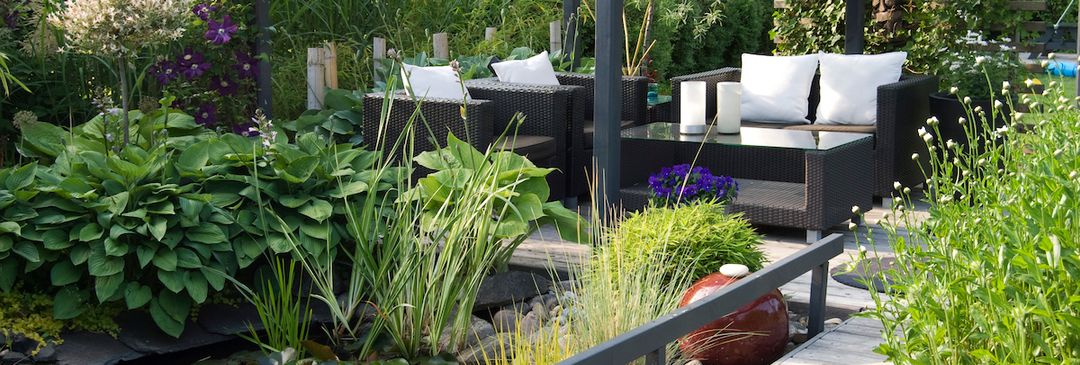
A well-designed garden is not just about plants or paving. The best outdoor spaces usually combine both softscape and hardscape elements in a balanced way. Softscape includes the living parts of the landscape, such as lawns, plants, trees, and garden beds. Hardscape includes built elements such as patios, pathways, decks, retaining walls, and paving. When these two elements work together properly, the garden feels more functional, visually balanced, and comfortable to use. But if one dominates the other too much, the outdoor space can start feeling either overcrowded or too harsh and empty.
Let's explore practical ways to balance softscape and hardscape in garden design and how Australian homeowners can create outdoor spaces that feel both beautiful and functional.
7 Practical Ways to Balance Softscape and Hardscape in Garden Design
Too much hardscape can make a garden feel hot, harsh, and empty, while too much softscape can sometimes make the space feel overcrowded or difficult to maintain. The goal is to create a balance where both elements work together comfortably. Here are some simple and practical ways Australian homeowners can achieve it.
1. Start by Understanding How the Space Will Be Used
Before planning the garden design, consider how the outdoor area will be used every day. For example: outdoor dining, entertaining guests, relaxing, children's play areas, gardening, or pool access. The purpose of the space helps determine how much hardscape and softscape is needed. Homes that need more entertaining space may require larger patios or decking, while family gardens may need more lawn and planting areas. Designing around lifestyle needs usually creates a much more practical landscape.
2. Avoid Using Too Much Hardscape
One common mistake is adding too much paving, decking, or concrete throughout the garden. While hardscape improves functionality, excessive hard surfaces can make the outdoor area feel hot during summer, visually harsh, less natural, and less relaxing. Too much paving can also reduce drainage and increase heat around the property. Adding more greenery around hard surfaces helps soften the overall look of the landscape and creates a more comfortable outdoor environment.
3. Use Plants to Soften Hard Landscaping
Plants play an important role in balancing hardscape features. Without greenery, patios, retaining walls, and pathways can sometimes feel cold or overly structured. Adding plants around hardscape areas helps create better visual balance, more natural flow, improved privacy, and shade and cooling. This may include garden beds along pathways, plants around patios, climbing plants near pergolas, and trees beside retaining walls. Soft planting helps outdoor spaces feel calmer and more inviting.
4. Create Clear Outdoor Zones
A good landscape often includes different zones for different activities. For example: a dining zone, relaxation zone, lawn area, garden zone, and entertainment space. Hardscape features usually help define these spaces, while softscape elements help connect them naturally together. Using both properly helps the garden feel more organised and easier to use.
5. Choose Materials That Match the Garden Style
Hardscape materials should work well with the surrounding planting and the style of the home. For example, natural stone often suits relaxed garden styles, timber decking creates a warmer natural feel, and modern paving works well in contemporary landscapes. Using too many different materials can make the garden feel cluttered. Simple and consistent material choices usually create a cleaner and more balanced result.
6. Think About Maintenance Levels
Softscape and hardscape both require maintenance, but in different ways. Large lawns and gardens may need mowing, pruning, watering, and weeding. Hardscape areas may require cleaning, sealing, repairs, and weed control between pavers. The right balance often depends on how much maintenance the homeowner is comfortable managing long-term. Low-maintenance gardens usually combine practical hardscape areas with easy-care planting.
7. Include Shade and Comfort
Outdoor spaces should feel comfortable to use throughout the year. Softscape elements like trees and plants can help provide shade, reduce heat, improve privacy, and create a more relaxing atmosphere. Hardscape features such as pergolas, shade structures, and covered patios extend usability across seasons and give the softscape something to grow around. When shade, greenery, and built structures work together, the garden stays comfortable through hot Australian summers and remains enjoyable year-round.
Frequently Asked Questions
1. What's a good ratio of softscape to hardscape in a garden? There's no universal rule, but many balanced residential designs land around 60/40 or 50/50 in either direction depending on lifestyle. Entertainer-focused gardens lean harder, family gardens softer. Purpose should drive the ratio, not a formula.
2. Does too much paving cause drainage problems in Australia? It can. Large impermeable surfaces increase runoff and heat, and some councils limit impervious coverage. Permeable paving, gravel, and garden beds all help water soak in naturally.
3. Which is more expensive, softscape or hardscape? Hardscape typically costs more upfront (materials, excavation, construction), while softscape costs less initially but needs ongoing care. A balanced design spreads both cost and maintenance sensibly.
4. How do I soften an existing paved area without ripping it up? Add planter boxes, climbing plants on screens or pergolas, potted trees, and garden beds along the edges. Even modest greenery dramatically softens a hard, hot space.
5. Can hardscape and softscape balance reduce garden maintenance? Yes. Replacing high-maintenance lawn with quality paving or decking cuts mowing and watering, while grouping easy-care plants keeps the softscape manageable, giving structure without the upkeep.
Design a Garden Where Everything Works Together
The most enjoyable gardens are the ones where built structures and greenery complement each other, hardscape providing function and definition, softscape adding life, shade, and calm.
The key is to plan both together from the start, rather than treating planting as an afterthought to the paving.
If you want expert guidance, the Zones Landscaping team in Australia can design a balanced landscape tailored to your block, climate, and lifestyle. Get in touch for a free consultation with your local Landscaping Consultant.
Related Articles and Projects
Read Next

%20(2)%20-%20Copy.jpg)
All Zones Landscaping franchises are independently owned and operated.
Processing...

Reno now,
pay later.
Talk to us about finance options

Are you ready to discuss your ideas?
Please fill out your details in the online form provided and we’ll get back to you within 48 hours to arrange a free, no obligation consultation.