

Get a FREE digital
copy of Renovate Handbook!
Just sign up to our newsletter and we'll send it your way.
Get Renovate HandbookDesigning Child-Friendly Outdoor Spaces
A garden that's safe for kids and stylish for adults? Absolutely possible. Here are 8 practical design ideas for child-friendly outdoor spaces in Australia.

A good outdoor space should not only look beautiful, it should also feel safe, practical, and enjoyable for the whole family. For households with children, this becomes even more important. Many parents want outdoor areas where children can play freely, stay active, and spend more time outside away from screens. But at the same time, the space also needs to be safe, easy to supervise, and functional for everyday family life. The good news is that child-friendly landscaping does not mean sacrificing style or design. With the right layout, materials, and planning, outdoor spaces can work well for both children and adults.
Let's explore practical ideas for designing child-friendly outdoor spaces and how Australian homeowners can create gardens that are safe, functional, and enjoyable for the entire family.
8 Practical Ideas for Designing Child-Friendly Outdoor Spaces
A child-friendly outdoor space should be safe, practical, and enjoyable for the whole family. Children need space to play, explore, and stay active, while parents usually want an outdoor area that is easy to supervise, comfortable to use, and simple to maintain.
Here are some simple and practical ways to design a child-friendly outdoor space.
1. Make Safety the First Priority
Safety should always come first when designing outdoor spaces for children. Kids naturally run, climb, jump, and explore, so the garden should reduce risks wherever possible. Things to check include secure fencing and gates, non-slip pathways and surfaces, safe play areas away from pools, rounded edges on hard landscaping, and stable outdoor structures. It's also important to remove hazards like loose pavers, sharp corners, or damaged decking. A safer outdoor area allows children to play more freely while helping parents feel more relaxed.
2. Leave Enough Open Space for Play
Children often enjoy simple open spaces more than crowded gardens filled with too many features. Open lawn areas are useful because children can run around, play games, ride bikes or scooters, kick balls, and stay active outdoors. Large open areas also give families more flexibility as children grow older. Instead of filling every part of the backyard with landscaping features, it's often better to leave enough usable play space.
3. Add Shade for Hot Australian Weather
Australian summers can become very hot, especially during the middle of the day. That's why shaded outdoor areas are very important for family gardens. Good shade options include pergolas, shade sails, large umbrellas, covered patios, and trees and planting. Shaded spaces help keep children safer and more comfortable while playing outside. They also make outdoor areas more enjoyable for the whole family during warmer months.
4. Use Strong and Easy-to-Maintain Materials
Family outdoor spaces usually experience a lot of daily use. Children running, climbing, and playing can quickly wear down weak materials. Choosing durable materials helps outdoor spaces stay safer and easier to maintain long-term. Popular options include durable paving, composite decking, artificial turf, and easy-care surfaces. Low-maintenance materials also save time for busy families who do not want constant outdoor upkeep.
5. Create Spaces for Both Children and Adults
A good family garden should work for everyone, not just children. Parents usually also want areas where they can relax, sit comfortably, entertain guests, and watch children play nearby. This can include outdoor seating areas, dining spaces, BBQ zones, and covered patios. The best outdoor spaces allow adults and children to enjoy the garden together.
6. Add Natural Features Children Can Explore
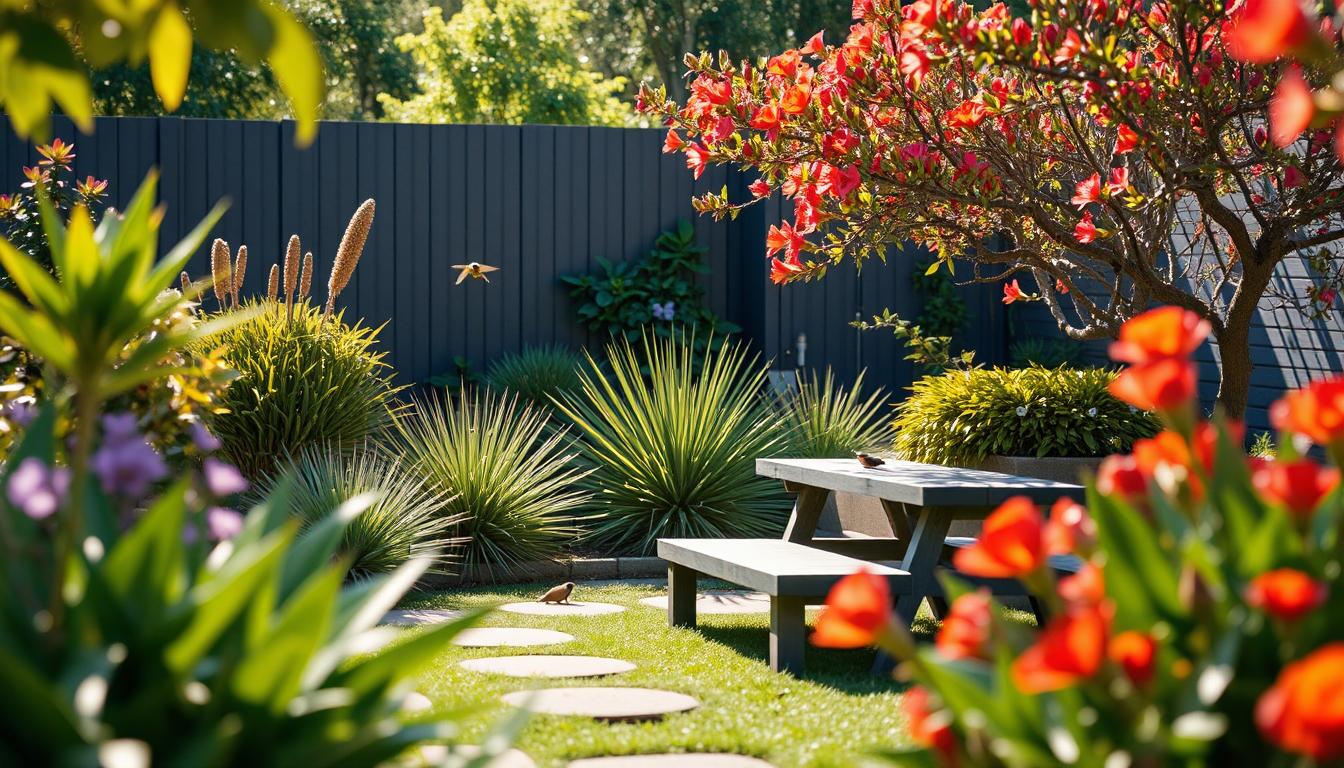
Children often enjoy natural outdoor spaces more than overly structured play areas. Simple features can encourage creativity and exploration, such as sand areas, stepping stones, garden paths, small vegetable gardens, and timber logs or natural seating. These features help children interact with nature while making the garden feel calmer and more balanced. Natural play elements also usually blend better with the overall landscape design.
7. Keep Play Areas Easy to Supervise
Parents should be able to see children clearly while they play outside. When designing the garden, keep play areas visible from inside the home, position seating near children's zones, and avoid hidden corners or blocked views. Good visibility improves safety and makes the outdoor space easier to use every day. It is especially important for younger children.
8. Divide the Garden into Different Zones
Outdoor spaces usually work better when different activities have their own areas. For example, a play zone, relaxation area, dining space, garden section, and entertainment area. Using pathways, planting, decks, or paving can help separate these spaces naturally, so the garden feels organised without being closed off.
Frequently Asked Questions
1. What is the safest ground surface for children's play areas? Soft options like quality lawn, artificial turf with adequate underlay, or rubber soft-fall are the safest under play equipment. Avoid loose gravel and hard paving directly beneath climbing or swinging areas.
2. Do pool areas need special consideration in a child-friendly garden? Yes. Pool fencing is legally required across Australia, and play areas should be positioned away from the pool zone with clear sightlines from the house and adult seating areas.
3. How much lawn should I keep for children to play on? There's no fixed rule, but an open, unobstructed area large enough for ball games and running is more valuable than several small patches. Keeping one generous open space also gives you flexibility as children grow.
4. What plants should I avoid in a child-friendly garden? Avoid plants with thorns, spikes, or known toxicity in areas children can access. Your landscaping consultant can recommend safe, hardy species suited to your region.
5. Can a child-friendly garden still look stylish? Definitely. With durable materials, natural play features, and smart zoning, family gardens can be both practical for kids and beautiful for adults, and the design can evolve as children grow.
Create an Outdoor Space the Whole Family Will Love
Designing a child-friendly outdoor space is about balance: giving children room to play safely while creating areas adults genuinely enjoy too. When safety, shade, durable materials, and clear sightlines are planned from the start, the result is a garden that works for everyday family life, not just special occasions.
If you want expert guidance, the Zones Landscaping team in Australia can design a family garden tailored to your block, climate, and lifestyle. Get in touch for a free consultation with your local Landscaping Consultant.
Related Articles and Projects
Read Next
All Zones Landscaping franchises are independently owned and operated.
Processing...

Reno now,
pay later.
Talk to us about finance options

Are you ready to discuss your ideas?
Please fill out your details in the online form provided and we’ll get back to you within 48 hours to arrange a free, no obligation consultation.